Likewise, cycle length and weekly frequency must remain visible when comparing dose calculations. Potential risks depend on route, dose, formulation, sterility, handling, and individual factors. A biological pathway, topical result, or preclinical signal cannot by itself establish the safety, frequency, cycle length, or effectiveness of an injectable protocol. Laboratory and review literature describes interactions with extracellular-matrix remodeling, antioxidant signaling, inflammatory pathways, and gene expression. U-100 units are syringe volume markings, not peptide international units, and the vial strength does not independently establish a clinical protocol. It summarises doses used in research and practice; it is not a prescription or individual medical advice.
Peptides left on countertops or in shipping boxes lose potency over weeks to months. Store sealed vials in the freezer at -20°C (-4°F) or below. The community includes researchers running various stack combinations who share real-world observations.
It is the people running 5 – 10 mg daily for months who are in genuinely uncharted territory, and there is no published safety ceiling for this route to reassure them. Excess copper is toxic, and people with copper metabolism disorders such as Wilson’s disease face particular risk. Absorption (exposure), and risk from injecting a research-chemical product are different questions, and no published human study has examined them. No published pharmacokinetic study in people defines one. Videos about GHK-Cu from doctors — researchers and people using it. A large share of the supporting literature comes from a single research group that also sells copper peptide products.
On a 50mg vial mixed with 2mL of bacteriostatic water — 1mg is 4 units on an insulin syringe. The main exceptions are people with Wilson’s Disease or other copper metabolism disorders — and anyone pregnant or breastfeeding, who should avoid it out of caution. Maximum benefits typically land at 3-6 months of consistent use. Fine lines start softening around weeks 4-6, with visible wrinkle and firmness changes by weeks 8-12. Many people alternate the two on different nights. The effects are real but gradual, so consistency over months matters.
For researchers studying the biology of skin ageing, GHK-Cu represents one of the few peptides where the mechanistic hypothesis and clinical outcome data align clearly. Multiple human trials using topical GHK-Cu formulations have documented measurable improvements in skin density (collagen content), and wrinkle depth. The following benefits have been documented in preclinical and (for skin applications), clinical studies. This broad gene-regulatory action – spanning DNA repair (anti-inflammatory pathways), and metabolic function – positions GHK-Cu as a pleiotropic ageing-modulator rather than a single-target compound. This multi-arm activation explains why healing studies show improvements across all phases of the repair cascade rather than a single endpoint . Plasma concentrations decline from ~200 ng/mL at age 20 to ~80 ng/mL by age 60 – one of the most studied biomarkers of age-related tissue decline.
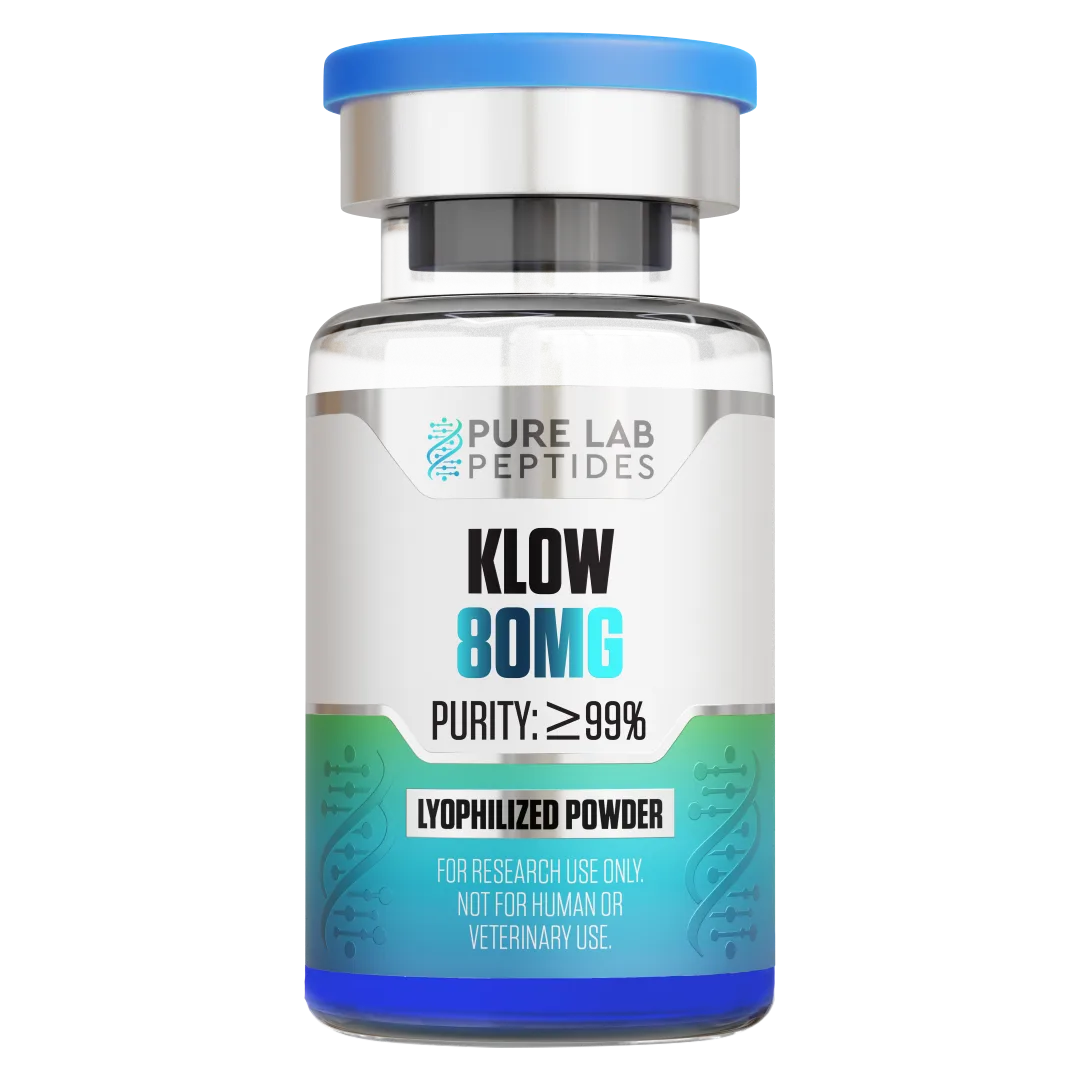
Your vial size and BAC water volume are transformed into a precise syringe draw in IU by a GHK-Cu details on MOTS-c availability dosage calculator. The ASCEND calculator allows for adjustments to these values regardless of the vial size. Fill the syringe to the 8 mark on a 100-unit insulin syringe. A 100-unit insulin syringe displays the draw.
Powder vials
The FDA has published separate information involving topical products (compounded bulk substances), and safety-risk considerations for injectable GHK-Cu. Injectable use targets systemic effects but has no published human dose-finding data — and the FDA flags immunogenicity and impurity risks for injectable compounding. Nobody has published the pharmacokinetics of subcutaneous GHK-Cu in people (so there is no measured half-life), no absorption curve and no blood level to target. Research vials are sold by total milligrams and mixed by the buyer, so two people following the same 2 mg protocol can be injecting very different amounts if their concentrations differ. Prescribers should not present this as an established benefit. The American Geriatrics Society recommends asking all patients 65 and older about falls in the past 12 months and performing a Timed Up and Go (TUG) test when falls are reported .
Injectable GHK-Cu was identified as high-risk by the FDA in September 2023. Many individuals express concerns about copper toxicity; however, evidence indicates this worry is unfounded at typical dosages. The risk of copper toxicity is minimal at standard human dosages of 1 to 2 mg daily for a 70 kg individual, or 0.014 to 0.028 mg/kg. GHK-Cu achieves systemic anti-aging effects by reducing problems at the molecular level — surpassing benefits to any one tissue. Consequently, this results in improved tissue strength and reduced visible scarring at the site of repair.
The GHKcu peptide is the most-studied copper peptide in skin and regenerative research. There is no clinically established concentration, because these are cosmetics rather than medicines and the studies behind them used varied formulations. Those are not the same exposure (and no published human study establishes a safe injected amount), frequency or duration. SourceInjectable or intradermal useNo studied doseNo published human dose-finding trial. No published stability study covers reconstituted research vials of GHK-Cu, so these are handling conventions, not measured shelf lives. No published stability study covers lyophilized or reconstituted research vials of GHK-Cu, so everything in this section is community handling convention rather than measured shelf life.

For GH optimization (the standard regimen involves taking CJC-1295/Ipamorelin before sleep), as detailed in our ipamorelin CJC-1295 blend guide, along with GHK-Cu two to three times weekly for systemic repair.
While research doses of GHK-Cu are typically expressed in micrograms (mcg) or milligrams (mg) (insulin syringes are calibrated in units for U-100 insulin), meaning that 100 units correspond to 1 mL. Keep reconstituted vials in the refrigerator and dispose of them after the duration advised by the supplier.
It is a reminder that “copper peptide” is not automatically gentle and that introducing it gradually is sensible. The main long-term concern is cumulative copper load, which is why cycling and supervision matter. Because every dose delivers copper, the rest period lets the body rebalance copper stores and reduces the risk of cumulative overload. The honest picture is that systemic injectable evidence is thinner than topical evidence (the main risk is cumulative copper), and the regulatory status is unsettled and in active FDA review.
Reconstitution math (community-reported subcutaneous doses), storage, and what the six human trials actually showed. The BPC-157 calculator handles the volumes if you are working with both vials. No published study has tested the combination. At 25 mg/ml, 1 unit on a 100-unit insulin syringe equals 250 mcg. Use our GHK-Cu calculator to scale to your vial size.